Start moving in the
right direction.
Speak to us today to see how we can improve your business logistics, freight and customs related issues.
News

 August 26, 2015
 4 min
4 min
Freight items that don’t fit into standard 20 or 40 foot sea containers can be shipped as individual units referred to as break bulk (BB) cargo. If possible, they can also be rolled on and off (RORO) special vessels that are not only designed to carry ‘static’ cargo but mobile or wheeled cargo, a solution which is more cost effective than dismantling, packing, shipping, unpacking and then re-assembling oversized freight. As straightforward as it seems, there are still challenges faced by break bulk and roll on / roll off shipments, as these two Clarke Global case studies will demonstrate.
Case study 1: Dumper trucks
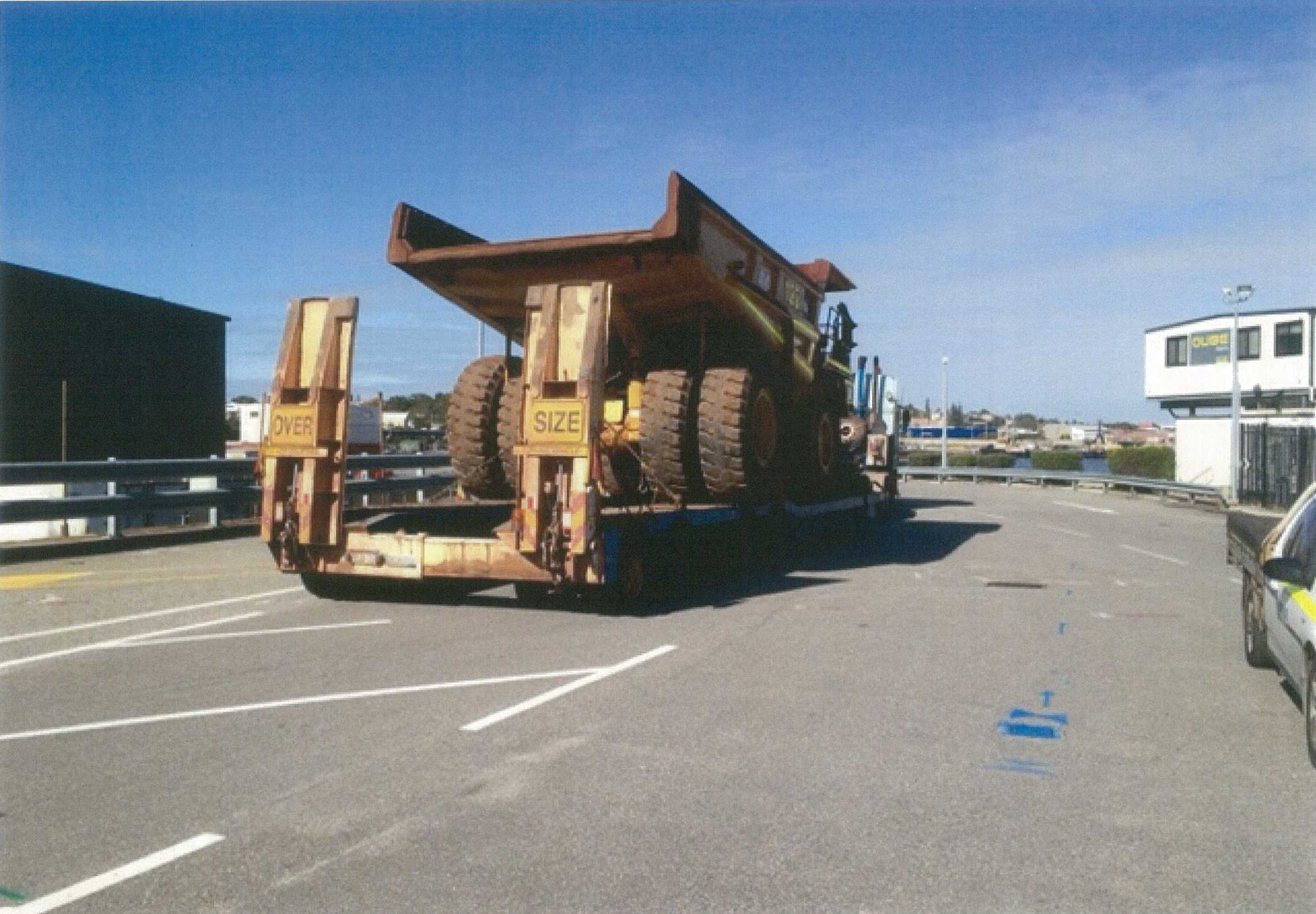
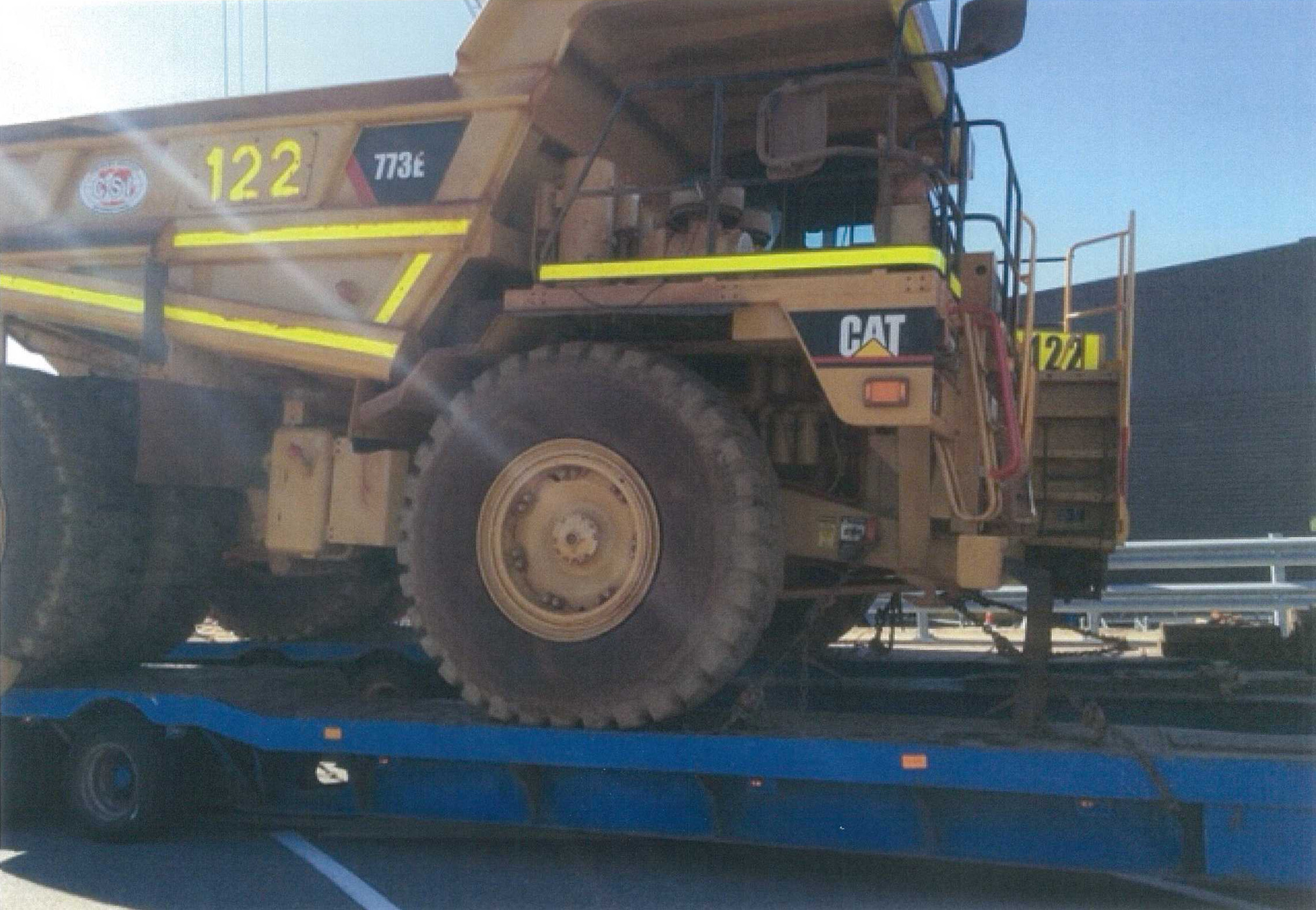
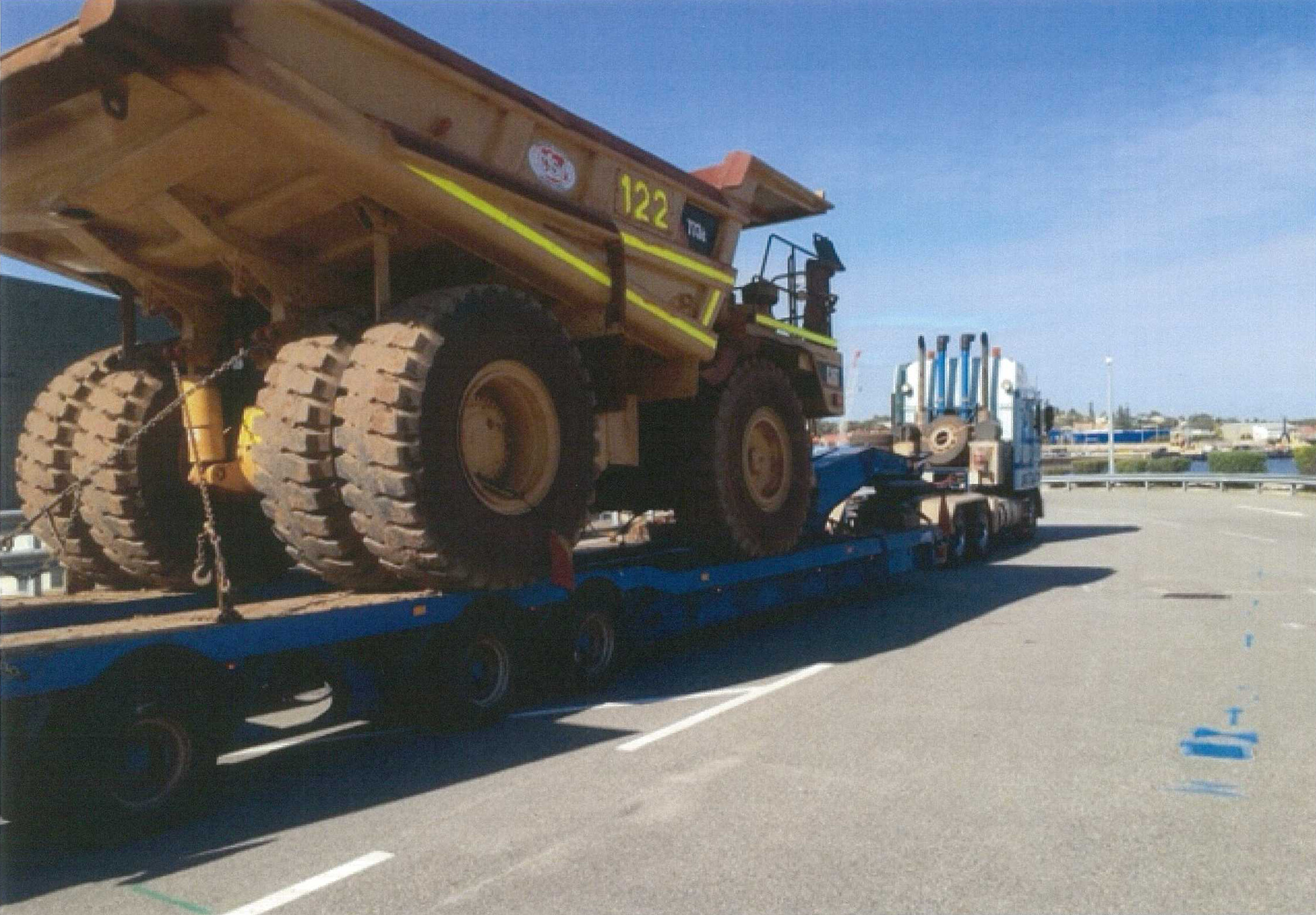
Contacted by a U.S. shipping agent, the project for Clarke Global was to collect 5 dumper truck units from an auctioneer in Fremantle in Western Australia and to ship them to Manzanillo, Panama. Due to being oversized and overweight, dumper trucks are typically shipped as individual break bulk cargo. Furthermore, being wheeled cargo, they are able to be rolled on and rolled off special RORO ships.
The first challenge was actually moving these dumper trucks, sold as they were by the auctioneer, with two of the units without batteries in them and three units with flat batteries that needed to be replaced. In addition, there wasn’t any fuel in the tanks. These factors made it impossible to move the units immediately. With only 72 hours of free storage at the auctioneer and to avoid the hefty storage charges thereafter, Director Martin Moyano arranged for a mechanic from Clarke’s trucking company to attend the site within 24 hours. He added new batteries, replaced the old ones, and put fuel in the units, enabling them to be driven to the wharf and onto a RORO vessel.
However with no vessel available on the wharf, and facing the possibility of storage charges again, the next challenge arose. After successful negotiation with a shipping line, Martin was able to secure a smaller (feeder) vessel which took the units to Port Kembla, from where they were transhipped to a larger (mother) vessel to their destination Panama.
Case Study 2: Tipper Trailers
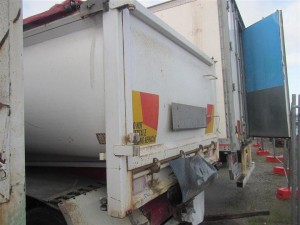
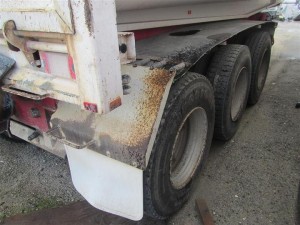
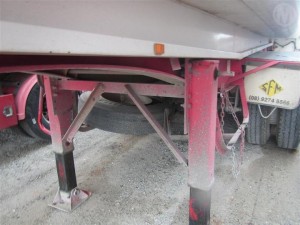
Recently an importer in New Zealand contacted Clarke Global directly to move tipper trailers, as break bulk units from an auctioneer in Fremantle to the wharf for roll on/roll off shipment to Auckland.
No vessel was available in this instance. Therefore to avoid high storage charges at the auctioneer’s site, Martin organised the transport of the trailers to the yard of Clarke’s trucking company for temporary storage, at much lower rates than at the auctioneer’s site where goods sold need to move out quickly. Very little extra was charged for the week to 10 days storage, until a RORO vessel was ready at the wharf.
In both these cases, as vessels were not immediately available, our clients potentially faced high storage charges. If you are able to, it is important to book well in advance for RORO shipping as spaces and vessels can be limited on some routes and times of the year. In general, there are no weekly services as you have with container lines. Depending on the route, RORO and/or break bulk lines may have one vessel sailing per month.
For more information on Break Bulk and RORO shipments, please visit our website, or call the Clarke Global team on 9854 3000, or send us an email to enquiry@clarkeglobal.com.au
 November 07, 2014
2 min
September 04, 2023
2 min
November 07, 2014
2 min
September 04, 2023
2 min


Established in 1917, Clarke Global Logistics is a reputable Australian Customs Broker and Freight Forwarder; offering a totally integrated trade service both locally and globally.

Speak to us today to see how we can improve your business logistics, freight and customs related issues.